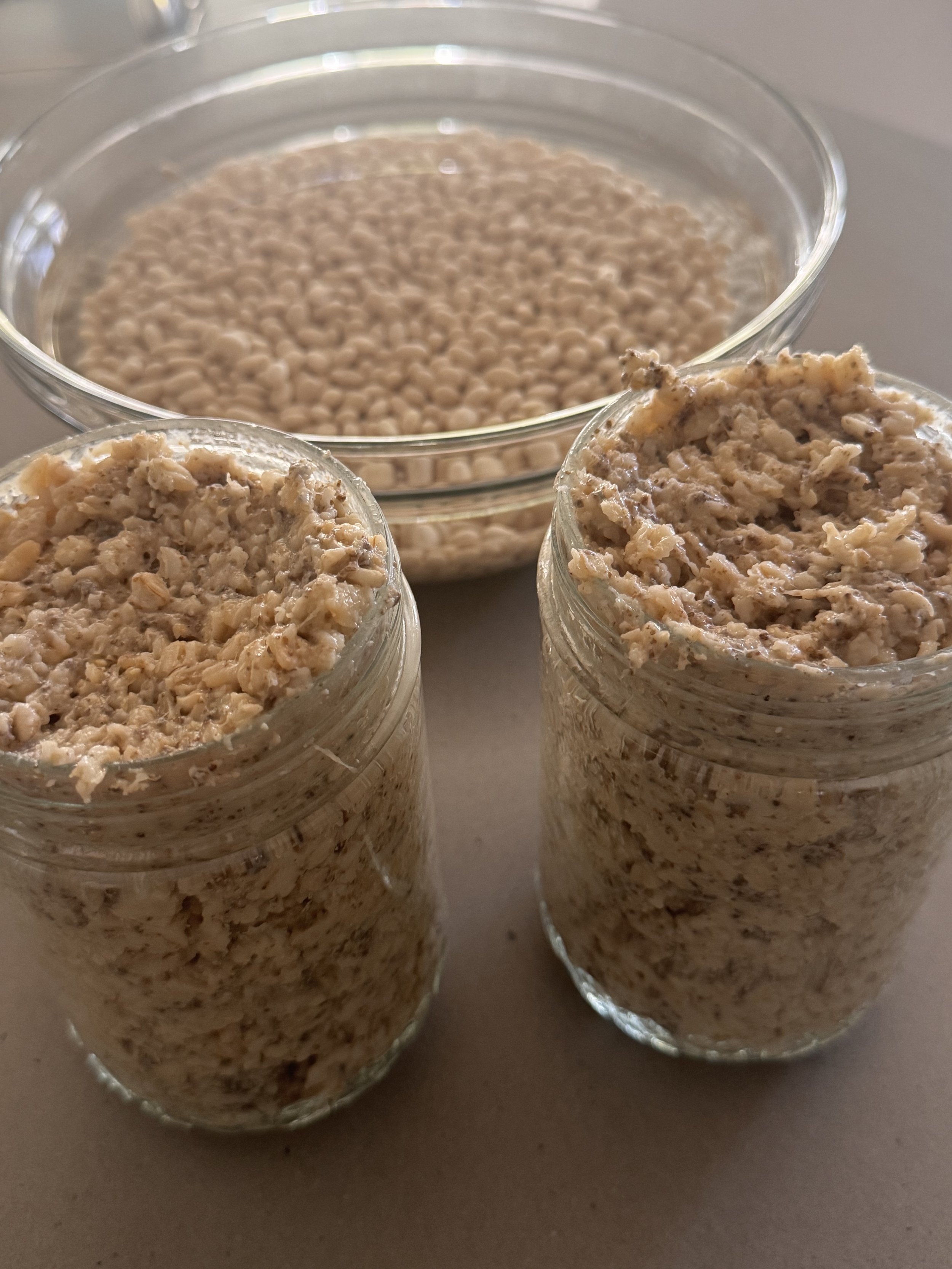
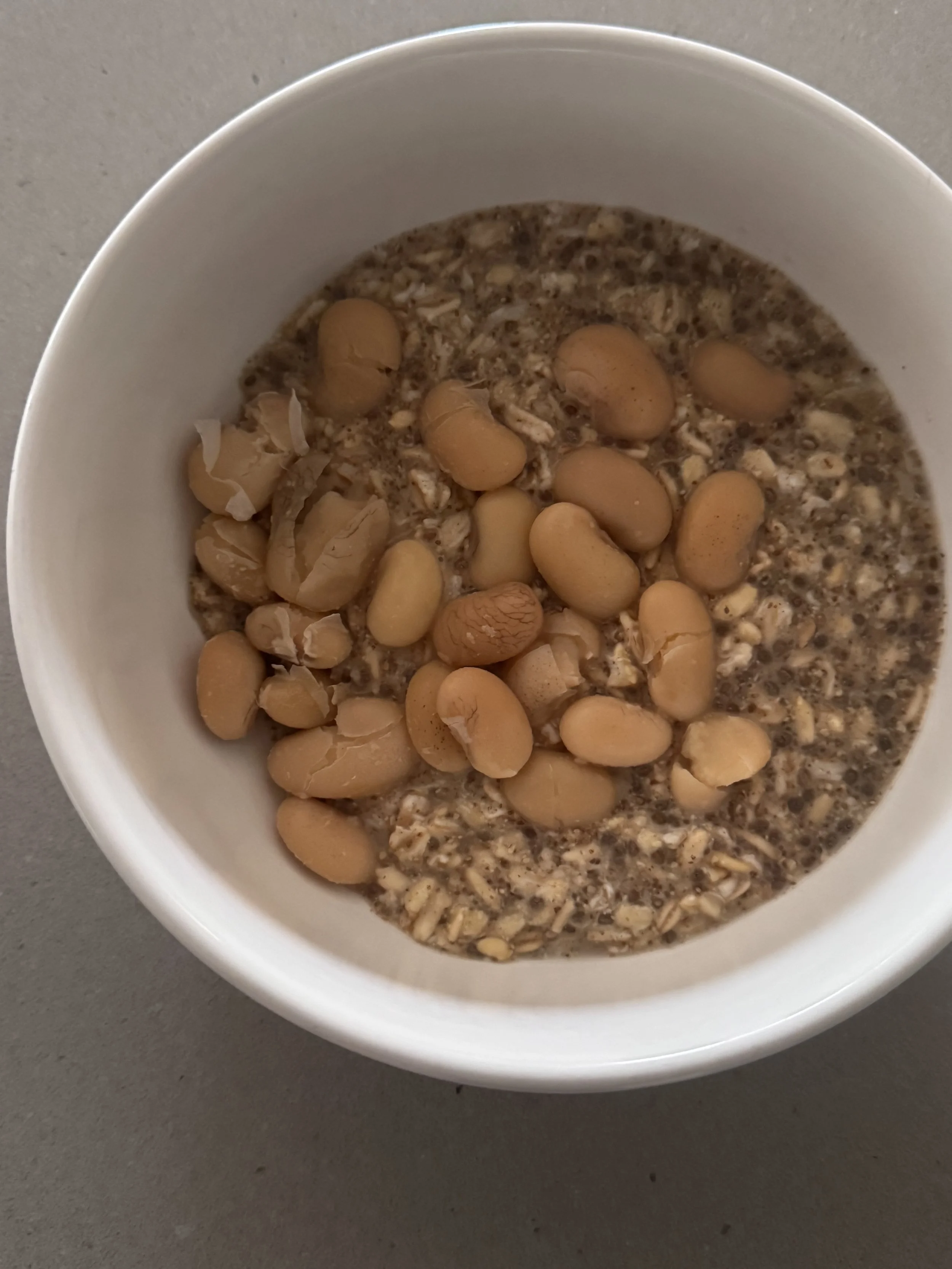
The Ultimate High Fiber Beany Overnight Oats Recipe
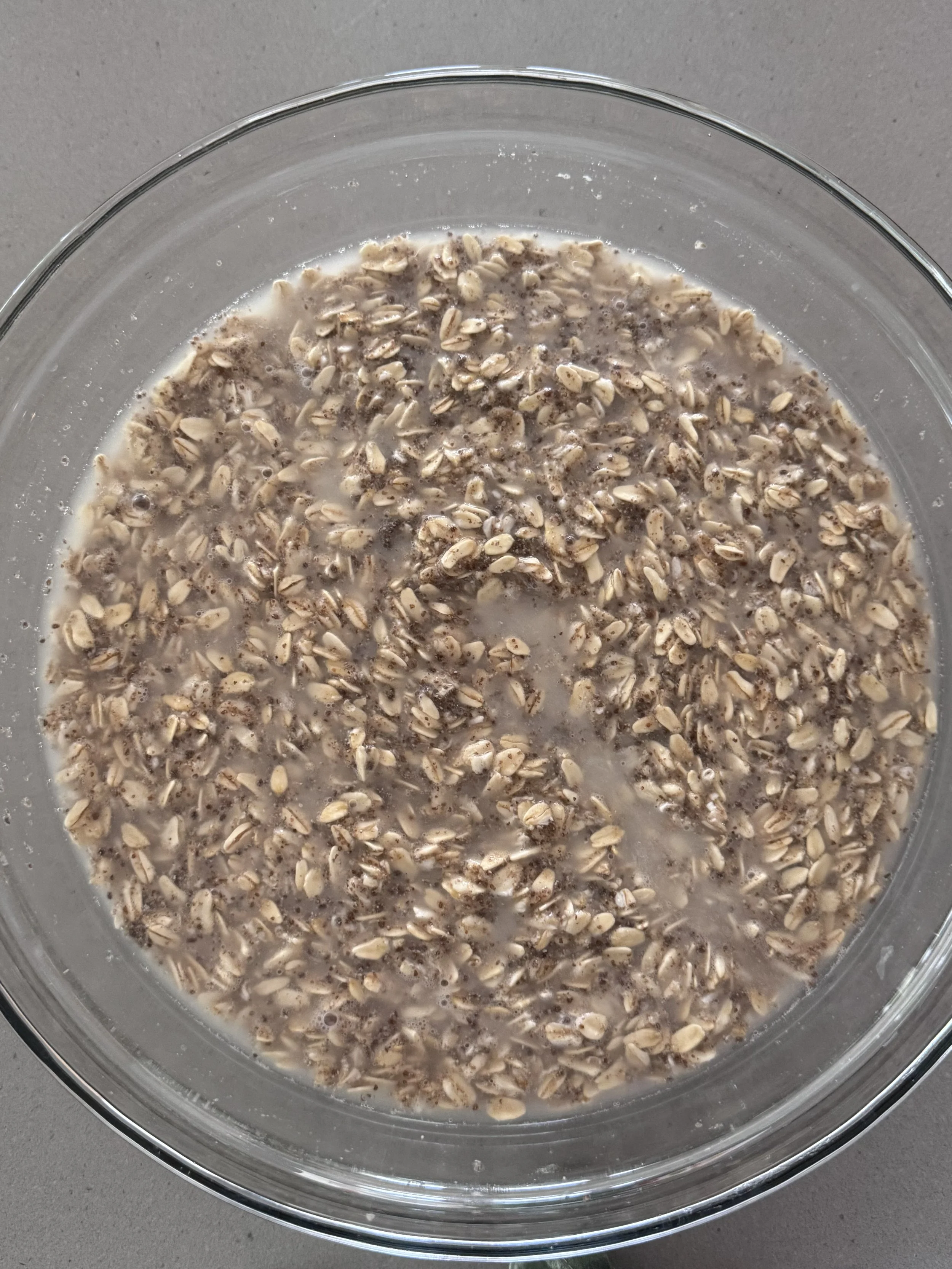
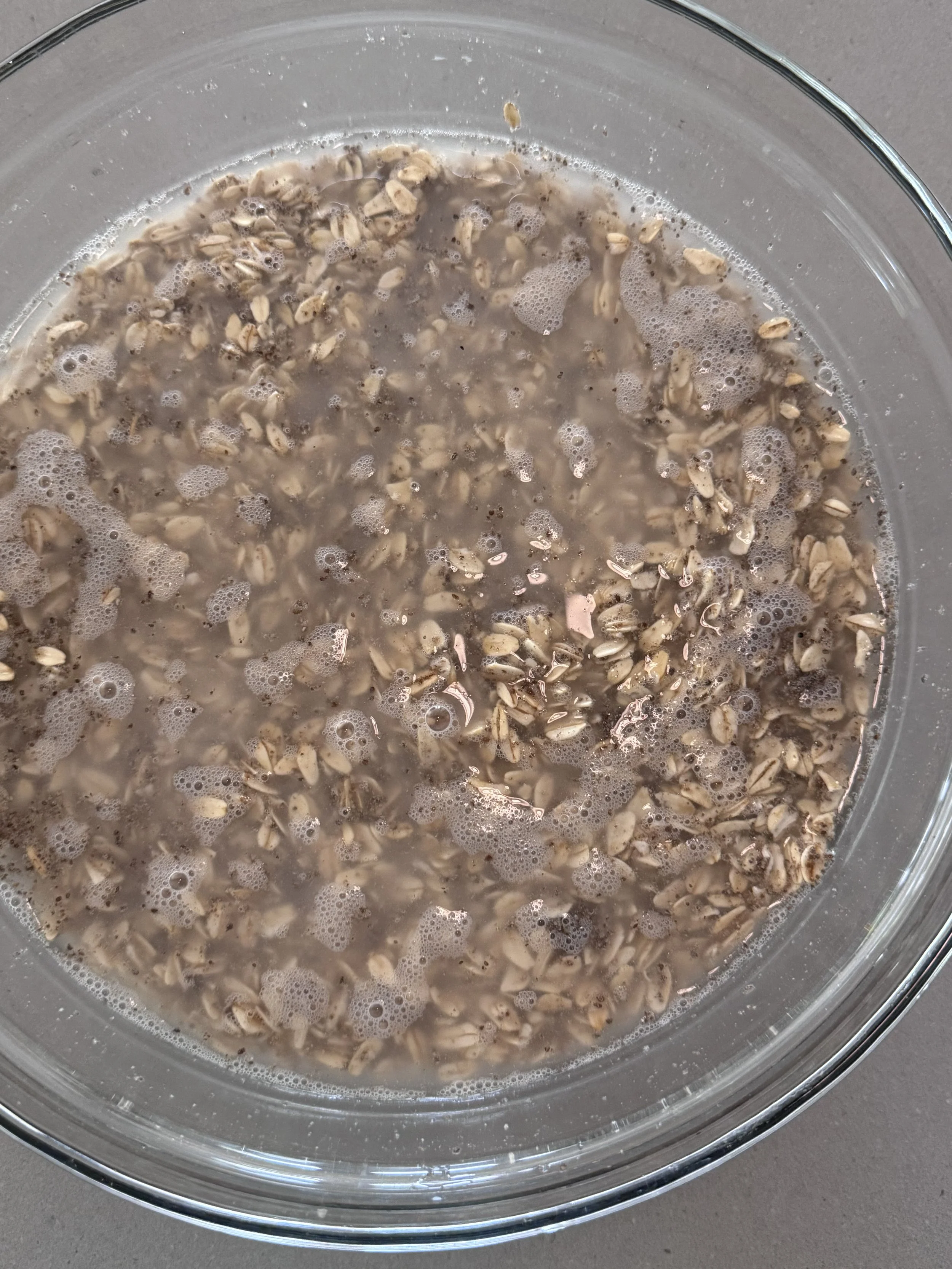
This Overnight Fiber Bowl uses sprouted oats, hyper-hydrated chia seeds, and optional ground flaxseeds submerged in a soak ratio of 780g (approx. 3 ¼ cups) of filtered water.
Recipe Options:
Option 1: Classic Core (Flax-Free)
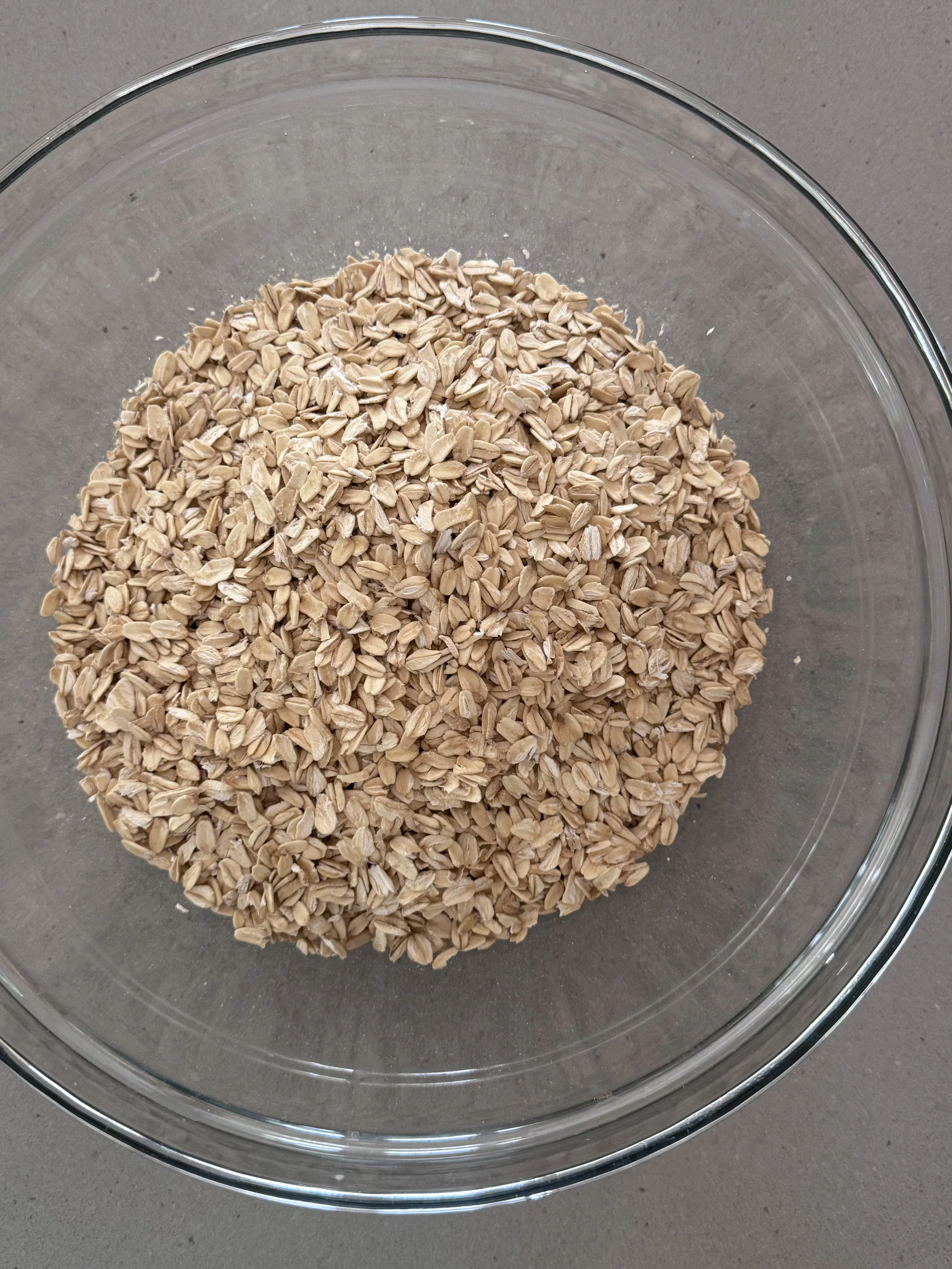
Sprouted Oats: 2 cups (260g) I like One Degree
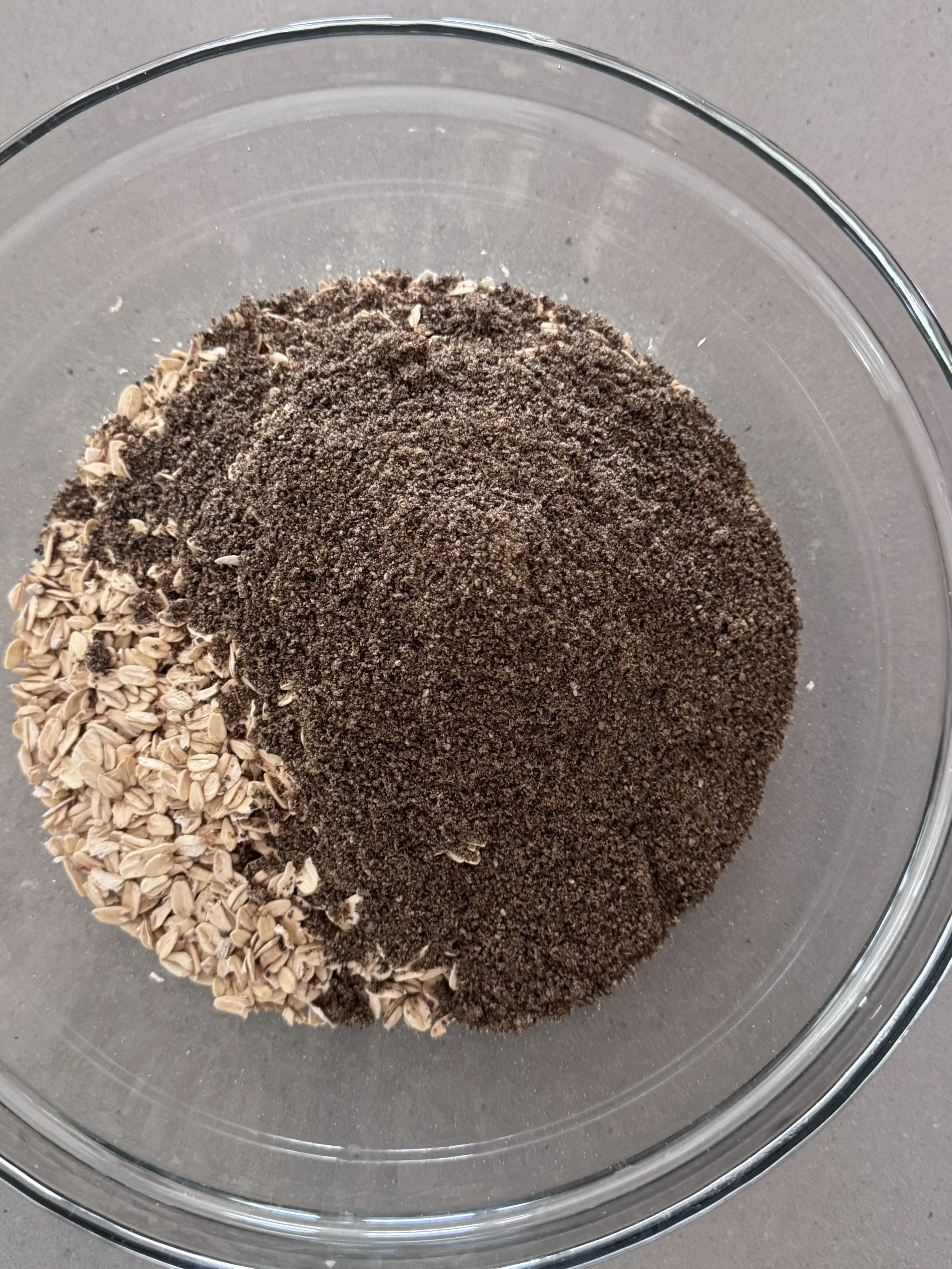
Chia Seeds: 4 tbsp / ¼ cup (41g)
Filtered Water: 3 ¼ cups / 780 ml (780g) (~1:2.4 dry-to-wet weight ratio)
Total Fiber: ~13.5g per serving
Omega-3 ALA: ~2.5g
Best For: Minimalist base, sensitive gut, or hormone bean protocol followers
Option 2: Omega Boost (With Flax)
Sprouted Oats: 2 cups (260g)
Chia Seeds: 4 tbsp / ¼ cup (41g)
Ground Flaxseeds: 2 tbsp (22g)
Filtered Water: 3 ¼ cups / 780 ml (780g) (~1:2.4 dry-to-wet weight ratio)
Total Fiber: 16.7g per serving
Omega-3 ALA: 4.1g
Best For: Maximum lignans, heart health, and maximum dietary fiber
Heart Health Benefits: Lowering LDL Cholesterol Naturally
The Beta-Glucan Soluble Fiber Sweep
Sprouted oats are packed with beta-glucan, a soluble fiber that forms a gel in your digestive system. This gel acts like a sponge, binding to cholesterol-rich bile acids in your GI tract and carrying them out of the body naturally before they can be reabsorbed into your bloodstream.
Vascular Support via ALA Omega-3s
Both chia seeds (4 tbsp / 41g) and freshly ground flaxseeds (2 tbsp / 22g) are rich in Alpha-Linolenic Acid (ALA), an essential plant-based omega-3 fatty acid known to help reduce vascular inflammation and support arterial health.
Nitric Oxide & Blood Flow
Oats contain specialized antioxidants called avenanthramides. Research shows avenanthramides boost the body’s production of nitric oxide, which relaxes blood vessels and aids in healthy blood pressure regulation.
Gut Microbiome Benefits:
Why Sprouted Oats
Unsprouted grains contain high amounts of phytic acid (an anti-nutrient) which binds to key minerals like magnesium, iron, and zinc. Sprouting activates natural enzymes in oats that break down phytic acid, releasing these crucial minerals for maximum absorption while preventing stomach tightness or bloating.
Soothing Mucilage Hydro-Gel
When chia and flax seeds absorb water, they form a viscous mucilage hydro-gel. This gel gently coats the mucosal lining of your stomach and intestine, supporting smooth digestive motility and easing transit time.
Prebiotic Fiber & Short-Chain Fatty Acids (SCFAs)
The soluble fibers in oats, chia, and flax pass into your large intestine, serving as prebiotic food for beneficial gut bacteria like Bifidobacteria. These bacteria ferment the fiber into Short-Chain Fatty Acids (SCFAs) such as butyrate, which repair the intestinal wall and lower systemic inflammation.
The Resistant Starch Powerhouse: Oats & Beans
Soaking sprouted oats overnight—or cooking and cooling them—creates Resistant Starch (RS), a unique class of carbohydrate that resists digestion in the small intestine.
Blunted Blood Sugar Spikes: Because resistant starch isn’t converted into simple sugars quickly, it flatlines your post-meal glucose response.
The “Second-Meal Effect”: Studies demonstrate that consuming resistant starch at breakfast increases insulin sensitivity not just for that meal, but into lunch and dinner as well.
The Savory Plate Setup: Prebiotics, Probiotics, & Proteins
To turn your fiber base into a complete metabolic meal, pair it with these four targeted additions:
Cooked Beans (whatever you like): 1/4-½ cup (80g–100g) adds extra resistant starch and prebiotic fermentable fiber.
Pumpkin Seeds (Pepitas): 2 tbsp (15g) delivers a rich dose of zinc, magnesium, and healthy fats.
2 Pasture-Raised Eggs: Provides complete protein and choline for brain health.
1-2 tbsp (30g) Raw Sauerkraut: Introduces live probiotics that pair with your oat/chia prebiotics for the ultimate synbiotic meal.
FAQs.
What is the difference between raw overnight oats vs. cooked and cooled oats for blood sugar and gut health?
Both methods deliver exceptional gut benefits, but they work through slightly different mechanisms:
Raw Overnight Oats (Soaked Sprouted Oats): Soaking 2 cups (260g) sprouted oats in 3 ¼ cups (780g) water preserves the natural structure of beta-glucan soluble fiber and native Type-2 Resistant Starch (RS2). This raw soak creates a smooth hydro-gel that digests slowly for stable, sustained energy.
Cooked and Cooled Oats: When oats are cooked in liquid, their starches absorb water and expand (gelatinization). When you cool those cooked oats overnight in the fridge, a biochemical process called retrogradation occurs. This rearranges the starch molecules into Type-3 Resistant Starch (RS3).
The Blood Sugar Winner: Cooked and cooled oats yield slightly higher levels of RS3, resulting in an even flatter blood sugar curve and improved insulin sensitivity.
But, like anything in nutrition, blood sugar response will vary from person to person.
Why should you add chia and ground flaxseeds ONLY AFTER cooked oats have cooled down?
If you choose the cooked-and-cooled method, always let your oats cool down to room temperature before stirring in your chia, ground flax, and 3 ¼ cups (780g) water soak! Here is why:
Protecting Delicate Omega-3 Fats: Chia seeds (4 tbsp / 41g) and freshly ground flaxseeds (2 tbsp / 22g) are rich in Alpha-Linolenic Acid (ALA), a delicate plant-based omega-3 fatty acid. Exposing ALA to hot boiling temperatures can oxidize these beneficial fats and destroy their anti-inflammatory properties.
Preserving Mucilage Integrity: Chia and flax form a smooth mucilage hydro-gel when hydrated at cold or ambient temperatures. Mixing them in after the oats have cooled—and letting the entire batch rest in the fridge overnight—ensures the seeds hydrate at their natural, un-degraded capacity.
Batch Oats.
Preparing your oats the night before is the ideal strategy for maximum resistant starch formation.
Step 1 (Friday Night): Cook 2 cups (260g) sprouted oats in water on the stove or microwave.
Step 2: Allow the cooked oats to cool down completely to room temperature.
Step 3: Stir in 4 tbsp / ¼ cup (41g) chia seeds, 2 tbsp (22g) ground flaxseeds, and your 3 ¼ cups / 780 ml (780g) filtered water ratio.
Step 4: Cover and place in the refrigerator overnight.
By the next morning, retrogradation will have converted the oat starches into prebiotic RS3, the chia and flax will have formed a silky hydro-gel, and your gut-and-heart health bowl will be fully set and ready to eat cold or gently brought to room temperature!
Why is flaxseed removed or restricted in some healing bean protocol plans (e.g., Karen Hurd )?
While ground flaxseed is celebrated for its omega-3s and lignans, specific therapeutic gut and hormone protocols—such as the Karen Hurd Bean Protocol—intentionally exclude or limit flaxseed for three key reasons:
Bile Binding Competition (Fat vs. Soluble Fiber): In bean protocols, the primary therapeutic goal is using pure soluble fiber to bind to bile carrying toxins, heavy metals, and excess hormones (like recycled estrogen) in the small intestine, flushing them out via stool. When foods high in concentrated fats (like ground flax) are consumed simultaneously with soluble fiber, the fiber binds to the dietary fat from the flax instead of binding to the toxic bile molecules, reducing the protocol’s detox efficiency.
High Phytoestrogen Content (Lignans): Flaxseeds contain the highest concentration of plant lignans (phytoestrogens) of any food. For individuals following a strict bean protocol to clear estrogen dominance, PCOS, severe hormonal acne, or endo flares, protocols often pull exogenous plant estrogens so the liver can process and clear the body’s native hormones without interference.
GI Sensitivity in Acute Healing: In individuals with acute inflammatory bowel conditions or severe gut permeability, concentrated raw seeds can sometimes cause mechanical friction or bloating during early healing stages.
Note: If you are following a strict fat-separated healing bean protocol, stick to Option 1 (The Classic Core Base: Oats + Chia) and save higher-fat additions for outside your protocol window!
Can you eat sprouted oats raw in overnight oats?
Yes! Sprouted oats are pre-steamed or gently rolled during processing, making them completely safe to eat overnight without cooking. Soaking them in water further enhances their digestibility and reduces phytic acid.
Why use water instead of milk for overnight oats?
Using 3 ¼ cups (780g) of filtered water allows the chia seeds and sprouted oats to form a clean, pure mucilage gel without dairy protein interference. You can always splash in a dash of milk or dairy-free creamer when serving.
How many grams of fiber are in this overnight fiber bowl?
Depending on whether you include ground flaxseeds, this bowl delivers between 13.5g and 16.7g of total dietary fiber per serving (makes 3 total servings).
Enjoy my fiber loving humans.
Unique